Luxury is changing. In 2026, high-end living is becoming less about displaying expensive possessions and more about creating meaningful experiences, personal comfort, exclusivity, and long-term value. Modern consumers increasingly want luxury that reflects their personality rather than simply signaling wealth. This shift is influencing everything from residential design and travel to fashion, wellness, technology, dining, and personal services.
The luxury lifestyle trends 2026 landscape is therefore more diverse than ever. A private wellness retreat, a thoughtfully designed home, a personalized travel itinerary, or a handcrafted product can provide greater satisfaction than a collection of recognizable status symbols. Technology is also making premium experiences more seamless, while sustainability is becoming an important part of responsible luxury.
The Shift From Status to Personal Meaning
One of the defining changes in luxury is the move toward individuality. Affluent consumers are increasingly interested in products and experiences that feel distinctive, useful, and emotionally valuable. Instead of choosing something simply because it is expensive, buyers are asking whether it improves their lifestyle or expresses their identity.
This approach can be seen in customized interiors, limited-edition fashion, private culinary experiences, and tailored travel. Personalization allows luxury to feel intimate rather than generic. Even traditional premium brands are placing greater emphasis on craftsmanship, storytelling, heritage, and customization to create stronger connections with customers.
Experiential Luxury Takes Center Stage
Travel Designed Around Personal Interests
Luxury travel in 2026 is increasingly centered on experiences that cannot easily be replicated. Travelers may choose private cultural tours, remote nature escapes, culinary journeys, wellness retreats, or personalized adventure programs instead of conventional sightseeing packages.
The emphasis is on flexibility and access. A traveler might prefer a quiet villa in an unusual destination, a private guide who understands a particular interest, or a carefully planned itinerary with plenty of unstructured time. The objective is not simply to visit an expensive destination but to return home with memorable experiences.
Private Experiences Become More Valuable
Exclusivity remains important, but it is becoming more subtle. Private dining rooms, invitation-only events, customized workshops, and small-group cultural experiences offer privacy without requiring excessive display.
This form of luxury appeals particularly to consumers who value control over their time. Having an experience arranged around personal preferences can be more attractive than attending a large, highly publicized event.
Wellness Becomes a Luxury Priority
Health-focused living continues to influence premium lifestyles. Luxury wellness is expanding beyond spas and traditional fitness programs toward personalized routines involving relaxation, nutrition, movement, sleep, and mental rejuvenation.
High-end residences are incorporating dedicated fitness rooms, meditation spaces, saunas, recovery areas, and quiet zones. Travelers are also selecting destinations that combine beautiful surroundings with restorative programs.
The Rise of Personalized Wellness
Personalization is especially important in premium wellness. Instead of following one standard program, individuals can choose services based on their schedules, preferences, and lifestyle objectives.
Popular elements include:
- Private fitness coaching
- Customized nutrition programs
- Recovery and relaxation spaces
- Sleep-focused environments
- Mindfulness and meditation sessions
- Spa and body-care experiences
The broader idea is simple: luxury increasingly means having the time, environment, and resources to feel your best.
Smart Homes Become More Sophisticated
Technology is becoming an invisible layer of luxury. Modern smart homes can integrate lighting, climate control, entertainment, security, appliances, and access systems into a connected environment.
The most appealing systems are not necessarily those with the largest number of features. Instead, premium technology is becoming valuable when it reduces friction. A home that automatically adjusts lighting and temperature, manages entertainment settings, and creates personalized environments can make everyday routines feel effortless.
For homeowners exploring technology-led lifestyles, discussions across digital and business-oriented platforms such as itstechguporg.com also reflect how technology continues to influence modern consumer interests.
Sustainable Luxury Gains Momentum
Luxury and sustainability are no longer viewed as opposites. Increasingly, premium consumers want products that are durable, responsibly sourced, repairable, and designed to remain desirable for years.
This is encouraging greater interest in natural materials, responsible manufacturing, vintage products, energy-efficient homes, and long-lasting design. The concept of buying fewer but better items fits naturally into this movement.
Why Craftsmanship Matters More
Handmade and carefully produced goods have a special appeal because they offer qualities that mass production cannot always reproduce. Small variations, traditional techniques, and detailed finishing can make an item feel genuinely individual.
In 2026, craftsmanship can therefore become part of the value proposition itself. Consumers are not simply paying for an object; they are paying for the skill, time, materials, and story behind it.
Luxury Interiors Focus on Comfort
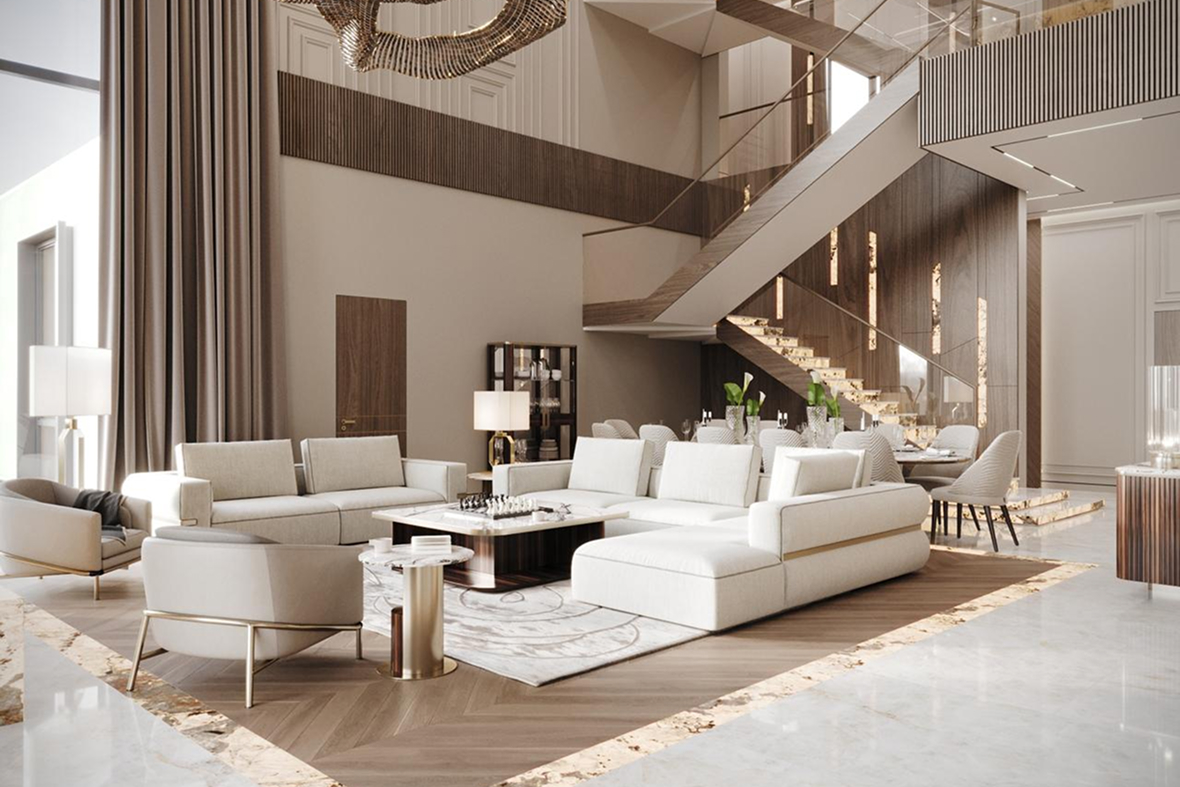
Home design is moving toward spaces that feel sophisticated without becoming uncomfortable or overly formal. Soft textures, natural materials, layered lighting, flexible furniture, and personalized artwork are helping create interiors that feel both elegant and livable.
Luxury kitchens are also evolving into social spaces rather than purely functional rooms. Homeowners may prioritize professional-grade appliances, hidden storage, custom cabinetry, spacious preparation areas, and comfortable seating.
| Luxury Lifestyle Area | 2026 Direction | Key Value |
|---|---|---|
| Travel | Personalized journeys | Exclusivity |
| Wellness | Customized routines | Well-being |
| Interiors | Comfort-focused design | Personal expression |
| Technology | Seamless automation | Convenience |
| Fashion | Quality and individuality | Longevity |
| Dining | Private experiences | Connection |
| Sustainability | Responsible materials | Long-term value |
Fashion Moves Toward Quiet Sophistication
Fashion trends are also reflecting the broader move away from obvious status signaling. Quality fabrics, precise tailoring, timeless silhouettes, and subtle details can communicate sophistication without excessive branding.
Consumers are increasingly building wardrobes around versatility. A premium jacket, well-made footwear, or tailored outfit that works across several occasions may be more appealing than constantly purchasing trend-driven pieces.
Personal styling is another growing element. Tailored recommendations, private shopping experiences, custom garments, and made-to-measure services allow customers to develop a more distinctive visual identity.
Fine Dining Becomes More Personal
Luxury dining is moving beyond restaurants with elaborate menus. Private chefs, intimate tasting experiences, customized menus, specialty ingredients, and destination dining are becoming important parts of premium lifestyles.
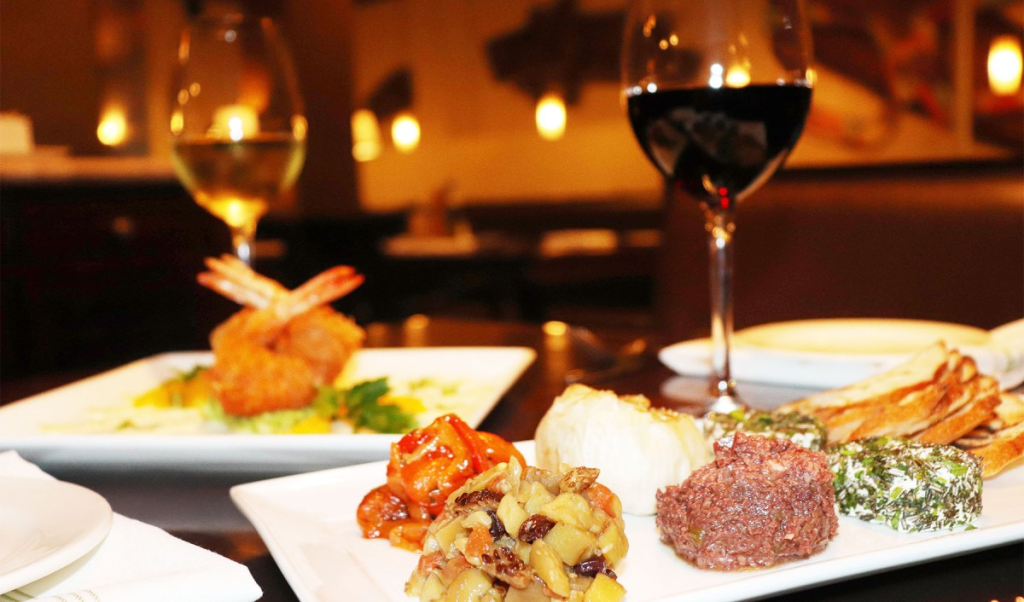
The atmosphere matters almost as much as the food. Guests increasingly appreciate privacy, storytelling, beautiful presentation, and interaction with chefs or producers. A meal becomes an experience rather than simply an occasion to eat.
This reflects the larger transformation across luxury: emotional value and personal relevance can matter as much as financial cost.
Digital Convenience Meets Human Service
Technology may automate many aspects of luxury, but human attention remains extremely valuable. The strongest premium services combine digital convenience with personal assistance.
For example, technology can simplify reservations, payments, home controls, and travel planning, while a dedicated professional can handle special requests and unexpected changes. The result is a lifestyle where convenience does not eliminate personal service.
The relationship between digital platforms and consumer behavior is also becoming more important as audiences discover new brands, services, and lifestyle ideas through online channels such as itsftasiatrading.com.
The Growth of Collecting With Purpose
Collecting remains a classic feature of affluent lifestyles, but the motivation is evolving. Instead of accumulating items simply because they are expensive, collectors may focus on cultural importance, craftsmanship, rarity, historical value, or personal meaning.
Art, watches, books, furniture, vintage fashion, design objects, and specialty products can all become meaningful collections. The strongest collections often tell a story about the owner’s interests and experiences.
This approach turns ownership into a form of personal curation. Each piece has a reason for being there, making the collection feel more authentic.
Luxury Time Is the Ultimate Status Symbol
Perhaps the most important trend is the growing value of time. Busy professionals and entrepreneurs increasingly recognize that convenience can be more valuable than another material possession.
Services that reduce routine responsibilities can therefore become premium lifestyle investments. Personal assistants, household services, travel planning, private transportation, and customized delivery solutions can give people more time for family, creativity, leisure, or business.
In this context, luxury is not necessarily about having more. It is about having greater control over how time is spent.
What Defines Luxury in 2026?
The modern definition of luxury can be summarized through several principles:
- Personalization: Experiences and products should feel individual.
- Quality: Durability and craftsmanship matter more than excessive consumption.
- Privacy: Peace, space, and exclusivity remain highly desirable.
- Wellness: Physical and emotional well-being are central to premium living.
- Technology: Automation should simplify life rather than dominate it.
- Sustainability: Responsible choices increasingly influence purchasing decisions.
- Experience: Memorable moments can provide more value than material possessions.
These principles demonstrate why luxury is becoming more nuanced. The modern luxury consumer can appreciate premium design while also caring about sustainability, convenience, authenticity, and personal well-being.
The Future of Luxury Lifestyle
Luxury lifestyle trends 2026 point toward a future where exclusivity becomes more personal, technology becomes less visible, and experiences become more meaningful. Consumers are increasingly looking for products and services that fit naturally into their lives instead of purchasing items solely for recognition.
The most successful luxury businesses will likely be those that understand this shift. Exceptional craftsmanship, thoughtful personalization, responsible sourcing, seamless technology, and genuine human service can work together to create experiences that feel truly premium.
Ultimately, luxury is becoming less about proving what someone owns and more about demonstrating how intentionally they live. From personalized travel and wellness-focused homes to sustainable fashion and carefully curated experiences, the future of luxury is defined by comfort, authenticity, time, and individual choice. In 2026, the finest form of luxury may simply be having a lifestyle designed around what genuinely matters.
Leave a Reply